The Death of the Hero Section: Engineering Modern Entry Points That Actually Convert
April 28, 2026

The Digital Marketing Lessons Every Frontend Developer Should Steal
Because a beautiful site that nobody finds or converts on isn't really a success.
When I tell people I'm a frontend developer who also does graphic design and digital marketing, I usually get one of two reactions.
The first is confusion: "Wait, so what do you actually do?"
The second is recognition: "Oh, that makes so much sense, most developers don't think about marketing at all."
That second reaction stuck with me. Because it's true. As developers, we obsess over clean code, framework choices, and pixel-perfect designs. But how often do we stop to ask: Is this actually working for the business?
Over the past year, working as a Digital Marketing Specialist while continuing to build web platforms, I've picked up a handful of marketing lessons that fundamentally changed how I approach frontend development. None of them required me to abandon good coding practices. They just made me a more effective developer.
Here's what I stole from marketing — and why you should too.
1. The First 3 Seconds Are All You Get
In marketing, there's a concept called the "3-second rule." If someone lands on your ad, email, or social post and doesn't understand what you're offering within 3 seconds, they're gone.
The same applies to websites.
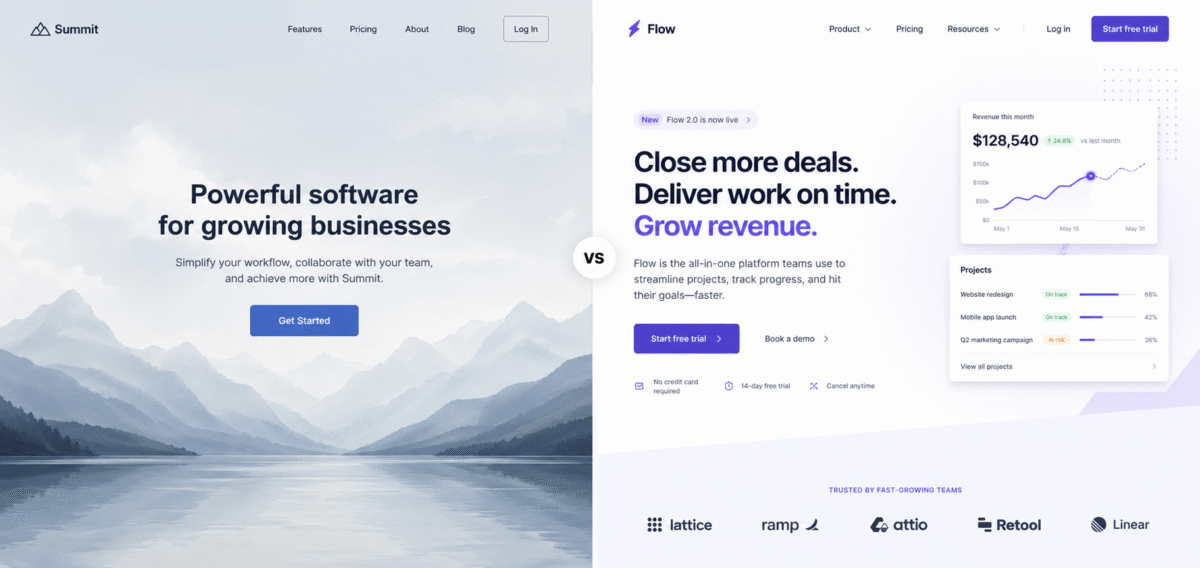
I used to build hero sections that were visually stunning but vague. A beautiful abstract background, a stylish logo, a subtle animation — and absolutely no clarity about what the site actually does.
Now, every site I build passes this test: Can a visitor land here and understand what this is within 3 seconds?
How to steal this:
- Ask yourself: if someone has zero context, what's the one thing they need to know?
- Put your value proposition in the hero section — not hidden behind a "Learn More" button
- Test this with someone who hasn't seen your project. Watch their eyes. If they're scanning without landing, you're losing them.

2. A Call-to-Action Without Intent Is Just a Button
I used to place buttons wherever they looked balanced in the design. A "Get Started" here. A "Learn More" there. It felt complete.
Then I started thinking like a marketer.
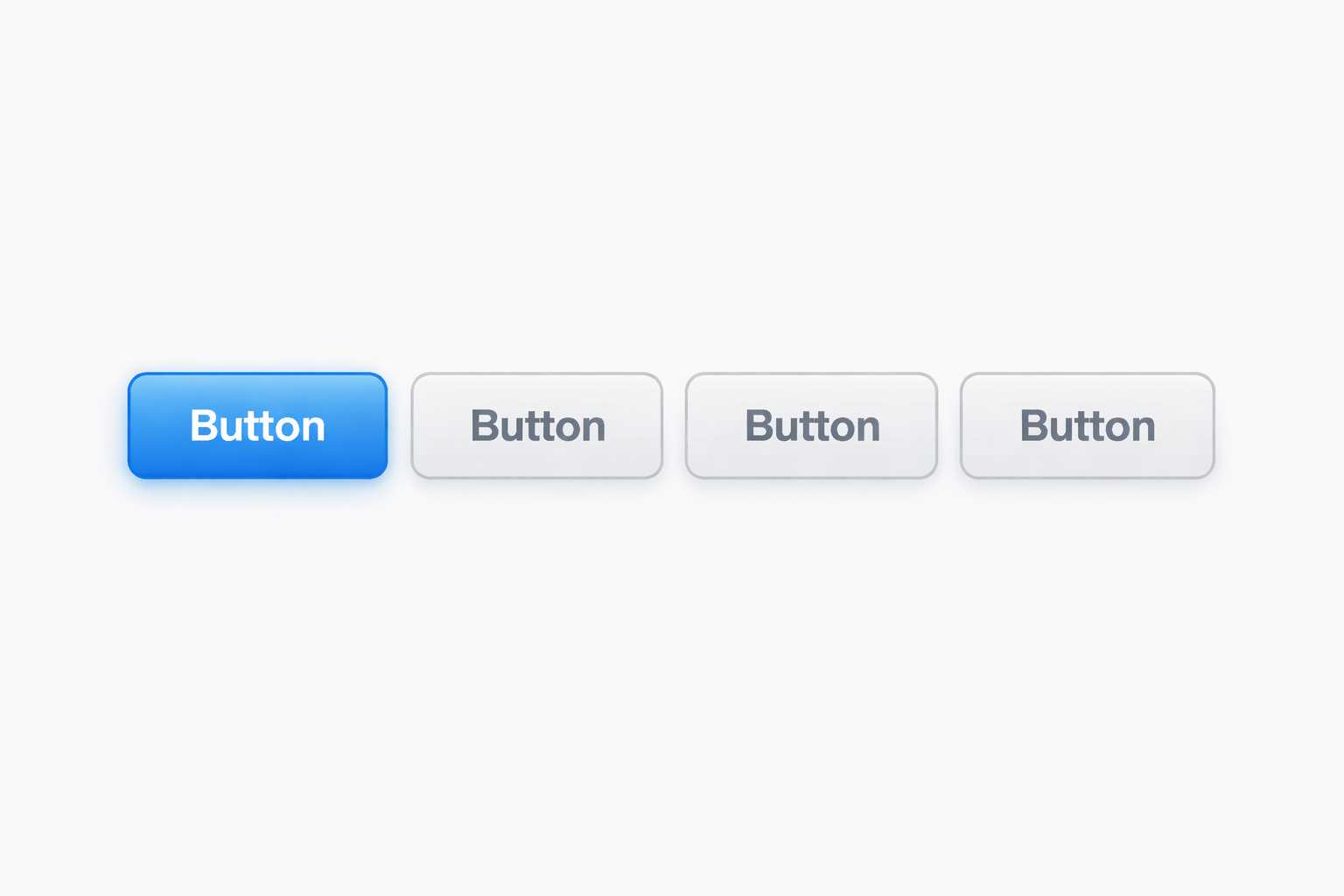
Every button on your site has a job. If you don't know what that job is, the button is just taking up space — and worse, it's creating decision fatigue for your user.
How to steal this:
- Before you add any button, ask: What action do I actually want the user to take?
- Have one primary goal per page. Not three. Not five. One.
- Secondary buttons should support the primary goal, not compete with it
- Pay attention to button placement on mobile — what looks balanced on desktop often creates clutter on small screens
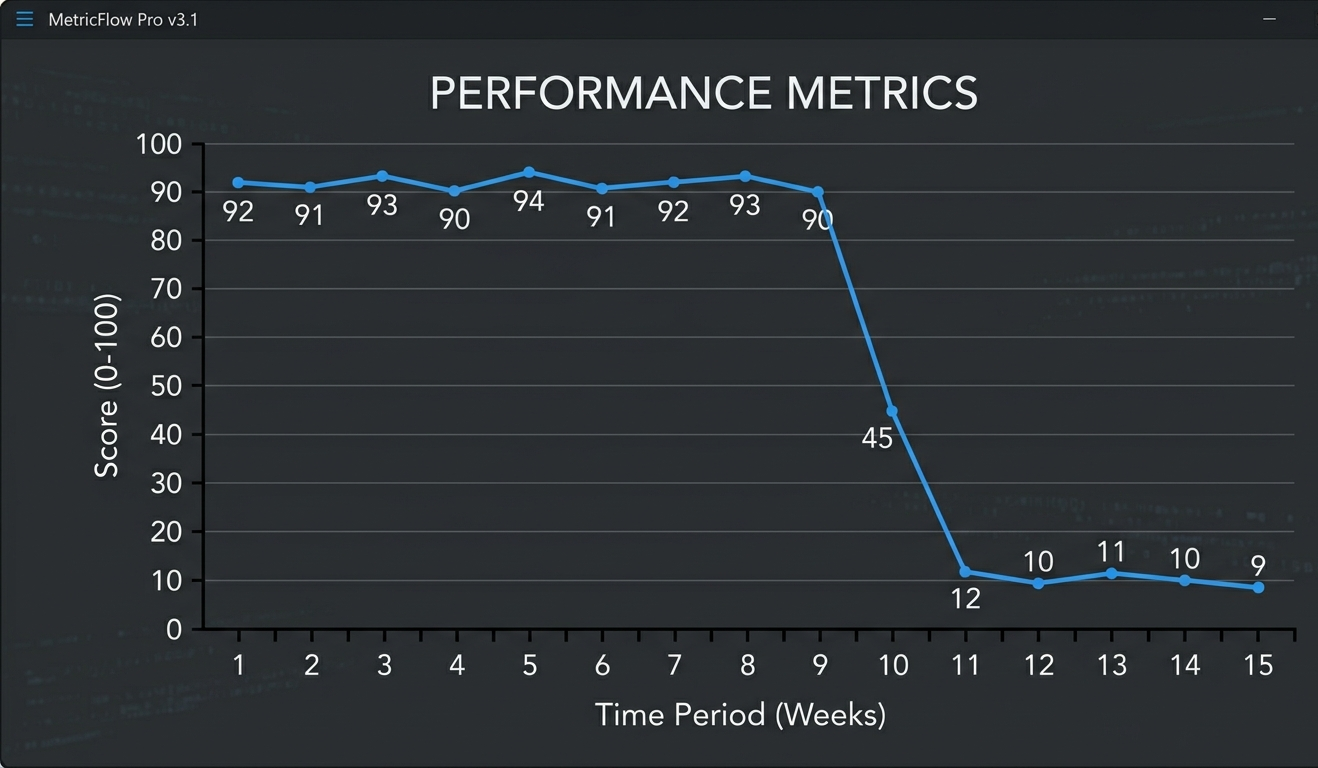
3. Bounce Rate Isn't Just a Marketing Metric — It's a Code Review
When marketers talk about bounce rate, they're thinking about audience targeting, ad copy, and landing page alignment.
When I hear high bounce rate now, I think: What did my code do wrong?
A high bounce rate often signals a technical problem:
- The site loads too slowly (and users leave before seeing anything)
- Something breaks on mobile (and users assume it's broken everywhere)
- Navigation is confusing (and users can't find what they came for)
- The design doesn't match the expectation set by the ad or link
How to steal this:
- Check your site's analytics. If bounce rate is high on certain pages, investigate before blaming marketing
- Test your site on a slow 3G connection. If it's unusable, users won't wait
- Make sure your page titles and meta descriptions actually match the content — misleading users increases bounce rate fast
4. Your Code Is Part of the Customer Journey
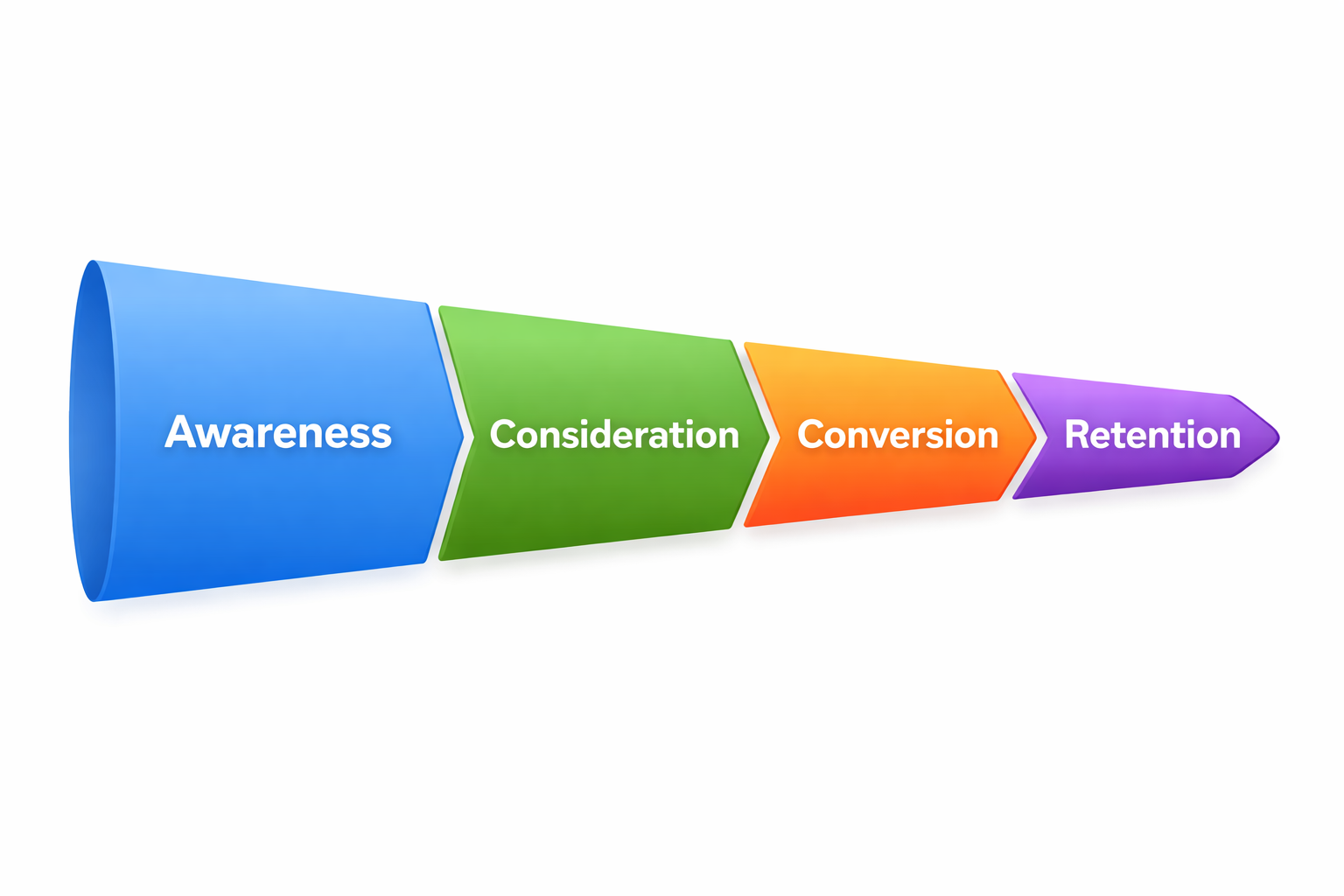
Marketers think about the customer journey: awareness, consideration, conversion, retention.
Developers tend to think about features, components, and deployment.
The moment I started mapping my development decisions to the customer journey, everything changed.
- Awareness: Is this site fast enough for someone discovering us through social media? Is the SEO foundation solid?
- Consideration: Does the site build trust? Are testimonials visible? Is the design professional enough to convince someone we're legitimate?
- Conversion: Is the checkout or contact form frictionless? Have I removed unnecessary fields? Does it work flawlessly on mobile?
- Retention: Is the account area intuitive? Can users easily do what they came back to do?
How to steal this:
- Before starting a project, ask: What journey am I building for?
- Map your technical decisions to each stage — not just "it works," but "does this help them move forward?"
- The prettiest site in the world fails if it drops users before they can take action
5. The Best SEO Strategy Is a Well-Built Site
I used to think SEO was a separate thing — something marketers handled after I was done.
Then I realized: SEO starts with my code.
Search engines can't index what they can't reach. They can't understand content that's buried in JavaScript without proper rendering. And they certainly don't reward slow, bloated, or inaccessible sites.
How to steal this:
- Semantic HTML isn't just for accessibility — it's for search engines too
- If you're building a React app, understand how search engines handle client-side rendering. Sometimes you need SSR or static generation
- Core Web Vitals (LCP, FID, CLS) are both a performance metric and an SEO ranking factor. You're not just optimizing for users — you're optimizing for discoverability
- Alt text on images isn't optional. It's accessibility and SEO

6. What Gets Measured Gets Improved
Marketers live by data. They test headlines, colors, CTAs, and layouts. They measure everything.
Developers often ship and move on.
But here's what I've learned: the launch is just the beginning.
I now build with measurability in mind. Not because I want to obsess over analytics, but because I want to know if what I built actually works.
How to steal this:
- Set up basic event tracking on key actions: button clicks, form submissions, purchases
- Ask your clients or stakeholders: What does success look like for this site? Then figure out how to measure it
- Don't treat analytics as a separate concern — build it in from the start
7. "It Works on My Machine" Is a Marketing Problem
Developers say this as a joke. But from a marketing perspective, it's deadly.
If a site works perfectly on your high-end MacBook with fiber internet but breaks on a visitor's mid-range Android on 4G — you've lost that visitor. And they might be your ideal customer.
How to steal this:
- Test on real devices, not just DevTools
- Emulate slow networks during development
- Consider the actual audience. If your client's customers are primarily in areas with slower internet, that changes your technical approach
- A site that feels "fast enough" on your machine might feel painfully slow to someone else

The Intersection Is the Sweet Spot
I came into design through development. I added marketing along the way. For a while, I thought I needed to pick one lane and specialize.
Now I realize: the intersection is exactly where I want to be.
When I write code, I'm thinking about user behavior. When I design, I'm thinking about conversion. When I plan a marketing campaign, I'm thinking about technical feasibility.
Each discipline makes me better at the others.
If you're a frontend developer, you don't need to become a full-time marketer. But stealing a few lessons from marketing will make you a more valuable developer — and your sites will actually do what they're meant to do: work for the people using them.
What marketing lessons have you learned from your work? I'd love to hear them. Drop a comment or reach out — let's learn from each other.